
4.9
Based on 130 reviews
powered by Google

Pramod Yadav
2 years ago
Dr. Saif is very kindness and having good knowledge.
Thanks to Dr Saif and entire team for operating surgery my Right hand shoulder
Thanks to Dr Saif and entire team for operating surgery my Right hand shoulder

Neeraj Singh
2 years ago
Experience is very much excellent
Dr Saif sir and his all team person work is very excellent
Dr Saif sir and his all team person work is very excellent

farhan azmi
2 years ago

ashrita lal
2 years ago
Thank you so much Sir.

Shilpi gupta
2 years ago
Dear Dr. Saif
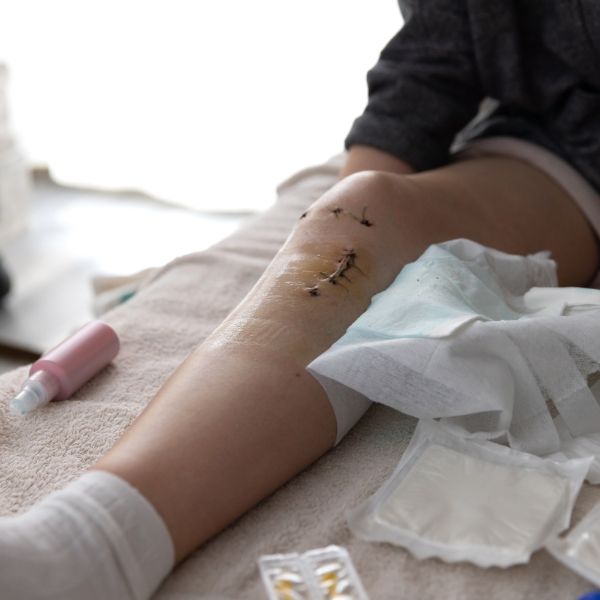
Thanks for the great care after my Mother TKR surgery! Your expertise and support have made a huge difference in my Mother recovery. pain-free and regaining strength. Appreciate your guidance and would highly recommend you to others.
Thanks for the great care after my Mother TKR surgery! Your expertise and support have made a huge difference in my Mother recovery. pain-free and regaining strength. Appreciate your guidance and would highly recommend you to others.

Faizan Rizvi
2 years ago
Dr. Saif N Shah and his team was kind. He listened to my concerns, and I greatly appreciated him walking me through every step of my forearm surgery I received. I felt confident with his treatment plan and would highly recommend him to other patients.

Rameshwar Singh
2 years ago
Dr Saif N Shah with his team is best doctor for orthopedic surgery. I was very much worried about my daughter's surgery but Dr Saif explained in detail the surgery procedure in very polite manner . After surgery I am very satisfied. Thanks to Dr Saif and team to perform pre and Post surgery care. I also appreciate the works and care of nursing and patients support staff at medanta specially supporting staff Mrs Geeta. She is very caring. Thanks to Dr Saif and his team .

Ashish Shukla
2 years ago
Dr. Saif isn't just a great doctor, He's a great human being, consciously doesn't write unnecessary tests, even tells u not to visit unnecessarily. In this day and age coming across an individual like him is a blessing in itself, Add his medical expertise on top of it and u get a justification for why doctors are often compared with God.
He handled my implant removal with utmost care and responsibility. I wish there were more doctors and in general more humans like Dr. Saif. Thank you sir !
He handled my implant removal with utmost care and responsibility. I wish there were more doctors and in general more humans like Dr. Saif. Thank you sir !

Aradhna Prakash
2 years ago
Dr Saif is an excellent surgeon! The way he handles his cases is really impressive. He has a very clear line of thought. He very adeptly tackles the treatment process and understands not just the pain caused by injury but also by the surgery. Thank you Dr Saif and the whole team at Medanta Lucknow for taking such good care of me.