
Knee pain can gradually affect mobility, independence, and overall quality of life. Conditions such as osteoarthritis, age-related joint degeneration, rheumatoid arthritis, and long-standing knee injuries often progress to a stage where conservative treatments no longer provide adequate relief. In such cases, knee replacement surgery may be recommended to restore joint function and improve quality of life.
With advancements in orthopaedic technology, robotic knee replacement surgery has emerged as a highly precise and effective treatment option. Many patients considering surgery often ask about the Robotic Knee Replacement Surgery Cost in Lucknow and whether the additional investment offers meaningful benefits.
This guide explains the procedure, benefits, recovery process, and estimated costs to help patients make informed healthcare decisions.
What Is Robotic Knee Replacement Surgery?
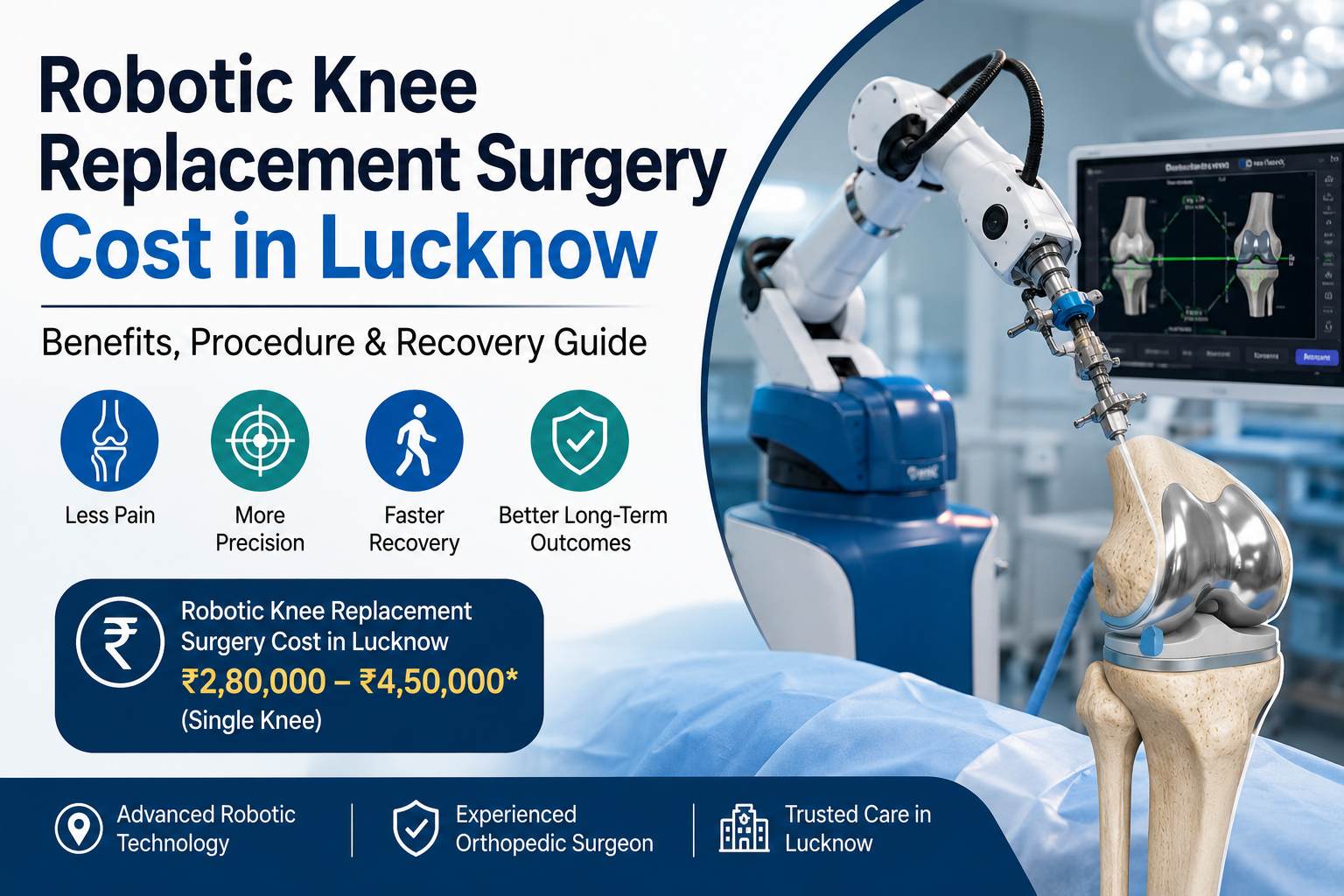
Robotic knee replacement surgery is an advanced form of joint replacement surgery that uses robotic technology to assist the surgeon during the procedure. Before surgery, detailed imaging scans are used to create a three-dimensional model of the patient’s knee joint, allowing precise surgical planning.
During the operation, the robotic system provides real-time feedback and helps the surgeon accurately position the implant according to the patient’s anatomy.
Key Features of Robotic Knee Replacement
- Personalized surgical planning
- Enhanced implant positioning accuracy
- Real-time intraoperative guidance
- Improved joint alignment
- Preservation of surrounding soft tissues
- Greater surgical precision
It is important to note that the robotic system does not perform the surgery independently. The procedure remains fully controlled by the orthopedic surgeon.
How Robotic Knee Replacement Improves Surgical Accuracy
One of the primary advantages of robotic-assisted knee replacement is precision. Proper implant placement plays a crucial role in the long-term success of knee replacement surgery.
Compared to conventional techniques, robotic systems help achieve:
- Better knee joint balancing
- Improved implant alignment
- More accurate bone preparation
- Enhanced joint stability
- Consistent surgical outcomes
These factors may contribute to better function, comfort, and implant longevity after surgery.
Benefits of Robotic Knee Replacement Surgery
Many patients choose robotic knee replacement because of its potential advantages over traditional techniques.
Potential Benefits Include:
- Reduced post-operative pain
- Less blood loss during surgery
- Smaller surgical incisions
- Greater precision in implant placement
- Faster rehabilitation
- Improved knee function
- Better range of motion
- Reduced risk of implant malalignment
Because of these benefits, robotic knee replacement surgery is becoming increasingly popular among patients suffering from advanced knee arthritis and chronic knee pain.
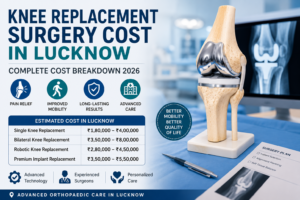
Robotic Knee Replacement Surgery Cost in Lucknow
The Robotic Knee Replacement Surgery Cost in Lucknow varies depending on several factors, including the hospital, implant type, surgeon’s expertise, technology used, and rehabilitation requirements.
Estimated Cost Range
| Procedure Type | Estimated Cost (INR) |
|---|---|
| Single Knee Robotic Replacement | ₹2,80,000 – ₹4,50,000 |
| Bilateral Robotic Knee Replacement | ₹5,50,000 – ₹8,50,000 |
| Conventional Knee Replacement | ₹1,80,000 – ₹3,00,000 |
| Premium Robotic Implants | ₹4,00,000 – ₹5,50,000 |
| Physiotherapy & Rehabilitation | ₹20,000 – ₹50,000 |
These figures are approximate estimates and may vary based on individual medical requirements and hospital policies.
Factors Affecting Robotic Knee Replacement Surgery Cost in Lucknow
Several factors influence the overall cost of treatment:
1. Type of Implant
Premium implants generally increase the overall treatment cost but may offer additional durability and performance benefits.
2. Hospital Infrastructure
Advanced hospitals equipped with robotic technology often have higher treatment costs due to specialized facilities and equipment.
3. Complexity of the Condition
Patients with severe deformities, previous surgeries, or complex knee conditions may require more extensive surgical planning.
4. Rehabilitation Requirements
Post-operative physiotherapy and rehabilitation programs contribute to the overall treatment expense.
5. Length of Hospital Stay
Longer hospital stays may increase the total cost of treatment.
Is Robotic Knee Replacement Cost-Effective?
Although robotic knee replacement may involve a higher initial investment compared to conventional surgery, many patients consider it cost-effective because of potential long-term benefits.
These benefits may include:
- Improved implant positioning
- Reduced risk of revision surgery
- Faster return to daily activities
- Better functional outcomes
- Increased implant longevity
For patients seeking precision, comfort, and long-term joint performance, robotic knee replacement may represent a valuable investment in overall health and mobility.
Who Is a Suitable Candidate for Robotic Knee Replacement?
Robotic knee replacement may be recommended for patients experiencing:
- Advanced osteoarthritis
- Chronic knee pain
- Significant joint degeneration
- Reduced walking ability
- Knee stiffness
- Joint deformities
- Limited mobility despite conservative treatment
A detailed orthopedic evaluation and imaging studies are required to determine whether robotic knee replacement is the most appropriate treatment option.
Recovery After Robotic Knee Replacement Surgery
Recovery following robotic knee replacement is often smoother due to reduced tissue trauma and improved surgical precision.
Typical Recovery Timeline
Within 24–48 Hours
- Early mobilization begins
- Assisted walking may start
Within 2–6 Weeks
- Continued physiotherapy
- Gradual improvement in mobility
- Reduced dependence on pain medications
Within 3–6 Months
- Significant functional improvement
- Enhanced knee strength and flexibility
Recovery varies from patient to patient and depends on factors such as age, overall health, and commitment to rehabilitation.
Long-Term Outcomes of Robotic Knee Replacement
When combined with proper rehabilitation and healthy lifestyle habits, robotic knee replacement can provide long-lasting improvements.
Expected Long-Term Benefits
- Sustained pain relief
- Improved mobility
- Better joint stability
- Enhanced quality of life
- Increased independence in daily activities
- Improved walking ability
Maintaining a healthy weight, following physiotherapy recommendations, and attending regular follow-up appointments can help maximize surgical outcomes.
Frequently Asked Questions (FAQs)
What is the average robotic knee replacement surgery cost in Lucknow?
The average cost typically ranges between ₹2,80,000 and ₹4,50,000 for a single robotic knee replacement, depending on the hospital, implant type, and individual patient requirements.
Is robotic knee replacement better than conventional knee replacement?
Robotic-assisted surgery offers greater precision in implant placement and surgical planning, which may contribute to improved outcomes and joint function.
How long does recovery take after robotic knee replacement?
Most patients begin walking within 24–48 hours after surgery. Full recovery and functional improvement may continue over several months.
Is robotic knee replacement covered by insurance?
Many health insurance providers offer coverage for knee replacement surgery, although coverage details vary depending on the policy and provider.
Who should consider robotic knee replacement surgery?
Patients with severe knee arthritis, chronic knee pain, joint damage, or limited mobility that has not improved with conservative treatment may be suitable candidates.
Conclusion
Understanding the Robotic Knee Replacement Surgery Cost in Lucknow involves more than simply comparing treatment expenses. Patients should also consider factors such as surgical precision, implant quality, recovery outcomes, hospital infrastructure, and long-term joint health.
Robotic-assisted knee replacement surgery continues to gain popularity because of its accuracy, predictability, and potential benefits for suitable candidates. Consulting an experienced orthopedic surgeon can help determine the most appropriate treatment plan based on an individual’s condition, mobility goals, and overall health needs.